I think what South Bay Standard Issue is setting out to do is what most of us are always trying to do: carry forward what we love about the places that made us. This is the essence of diaspora, and this is how we orient ourselves amid inevitable change.
The people who make this magazine were made, to varying degrees, by the South Bay. This publication is our way of honoring what we love about this place: its art, culture, music, food, sport, history, and character.
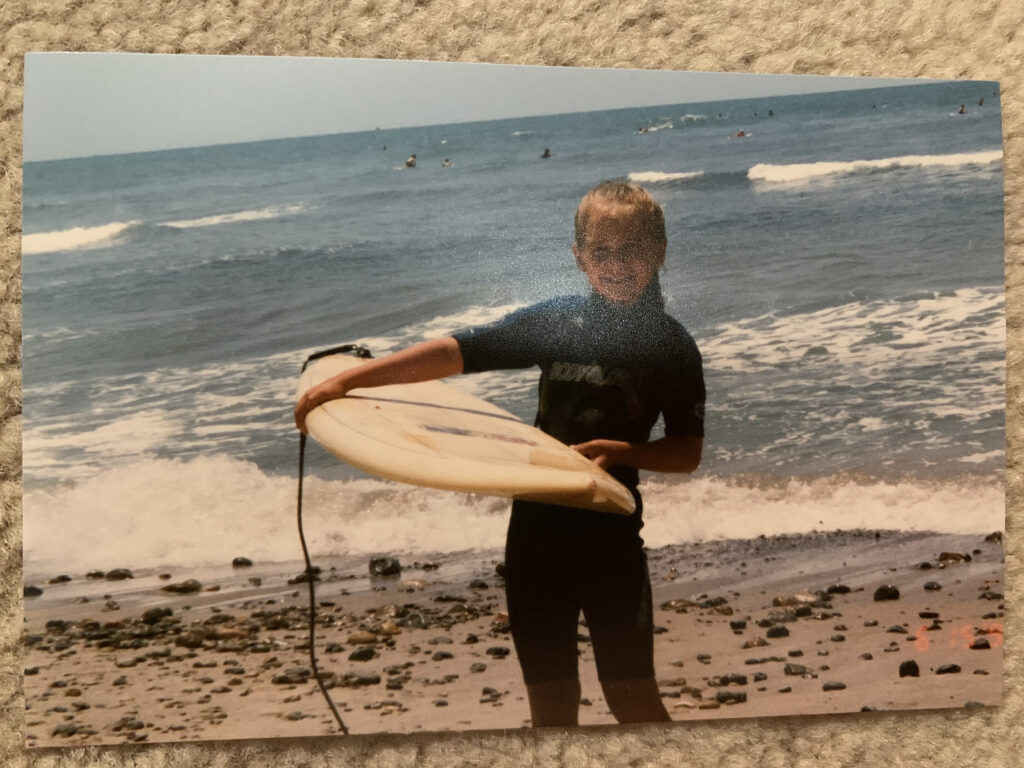
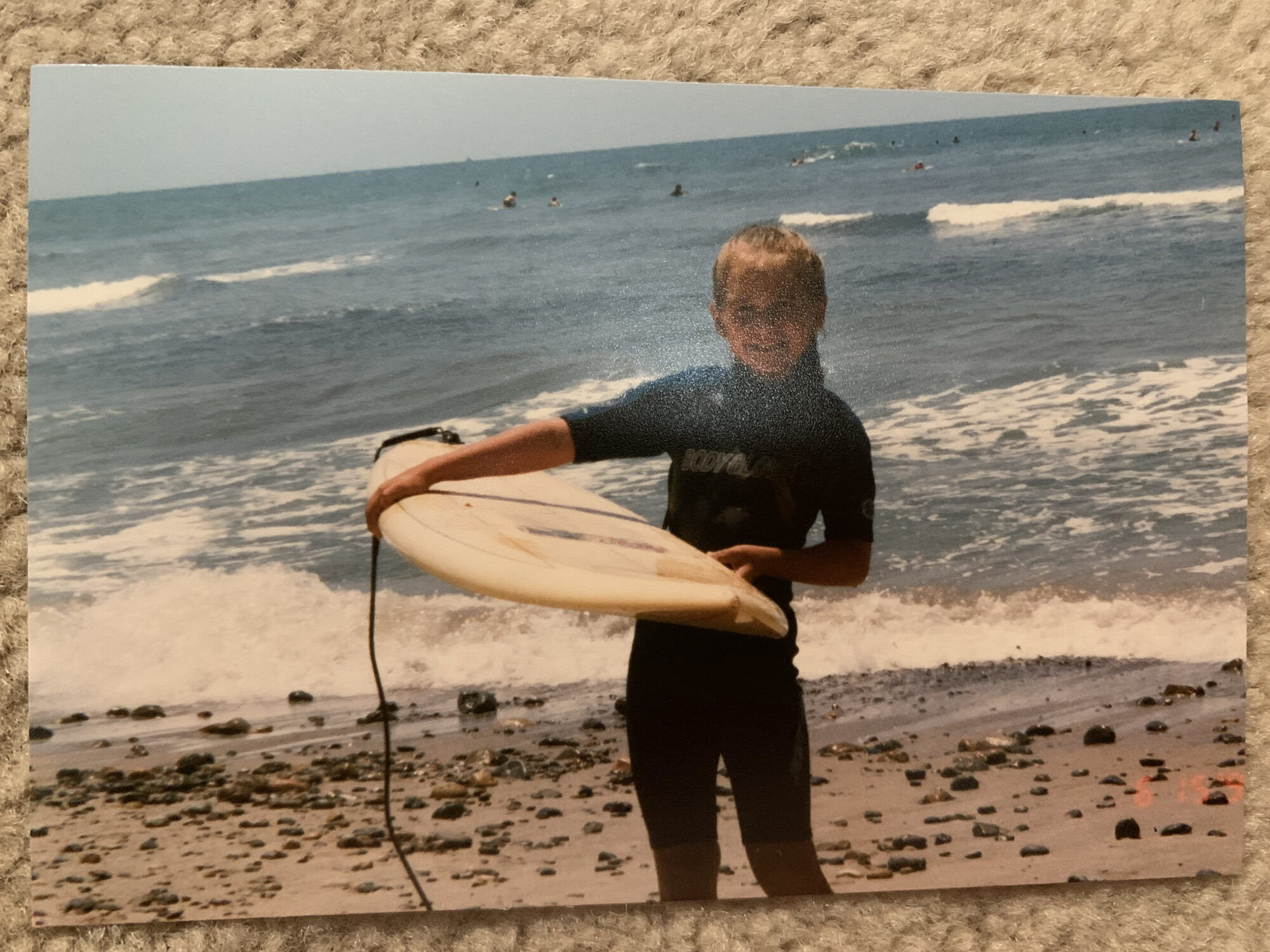
When I was growing up in the South Bay in the ’90s and early 2000s, you could feel the energy of being at an epicenter of surfing, skateboarding, and punk rock. There was an undercurrent of counterculture. We grew up in neighborhoods where it was safe to play outside, unsupervised, until dark; we also grew up in proximity to the grit of L.A.
In the decades since, some of the edges have been sanded down. Compared to 2001, the year I graduated from middle school, the price of housing in Redondo Beach has increased by 344%. Per online real estate marketplace Zillow, rent in Hermosa is 189% higher than the national average. Many of the people I grew up with moved away so they could afford to raise their kids.
Other things have changed, too, as they invariably do with the passing of time. Turkey John isn’t riding down the Hermosa Strand anymore. Ryan, the enthusiastic movie buff, isn’t behind the counter at Premiere Video anymore because Premiere is gone and all the other video stores are, too. Redondo Fun Factory, the kitschy arcade that inspired the artist whose work is on the cover of this magazine, closed in 2019.
When I was reporting this magazine’s cover story, I asked that artist, Greg Simkins, how the South Bay has changed, in his view and experience. Simkins, who is otherwise known by his graffiti tag CRAOLA, was born and still lives in Torrance. He said he notices changes, of course, and cited the ones a skateboarder would: you can’t skate on the Hermosa Pier anymore; the people living around here aren’t “the same beach legends we knew growing up,” he said. Still, what he loved most about the South Bay when you could skate on the pier is what he loves most about the South Bay now.
“I have such a wide variety of friends here,” he said. “It’s all because of growing up in this neighborhood, which is a melting pot. And people say, no it’s not. But yeah, if you go to different pockets of the South Bay, in general, yeah, it is, totally, and there’s so many great personalities here, and so many nice people. And if you’re just kind and put yourself out there, you’ll meet good people.”
What he said made me think about the blind spots baked into nostalgia. When you’re looking back, you can’t see what’s in front of you. Simkins told me that recently he was talking to another dad at an eighth-grade graduation party, who was lamenting that the South Bay isn’t what it used to be. “I kind of had to push back a little bit, just because of the way my boys have grown up,” he said. His kids grew up like him: outdoors, on skateboards, at the beach. “And maybe I’ve put them in a position to do that,” he added.
The cultures we love must adapt and evolve, but also, we are their carriers. We take them with us wherever we go. We can choose how and whether to honor and transmit them.
This magazine tells stories about the dive bars, surf breaks, artists, and playlists that shape the ethos of this stretch of California coastline. It tells stories about creative, devoted, local people who are invested in the future of the South Bay. My friend Mark, who edited this magazine, described the stories in these pages as “flowers in the concrete.”
South Bay Standard Issue honors the towns that make us, and how we make them in return. May we continue to see the beauty in a place where there are good people and you can still grow up outdoors, on a skateboard, and at the beach.
Rachel Reeves
Contributing writer
South Bay Standard Issue