It was a warm September evening on Cypress Street. The smell of resin and cigarettes wafted through the air while the sounds of Vin Scully echoed out of a radio from one of the workshops or cars in the parking lot.
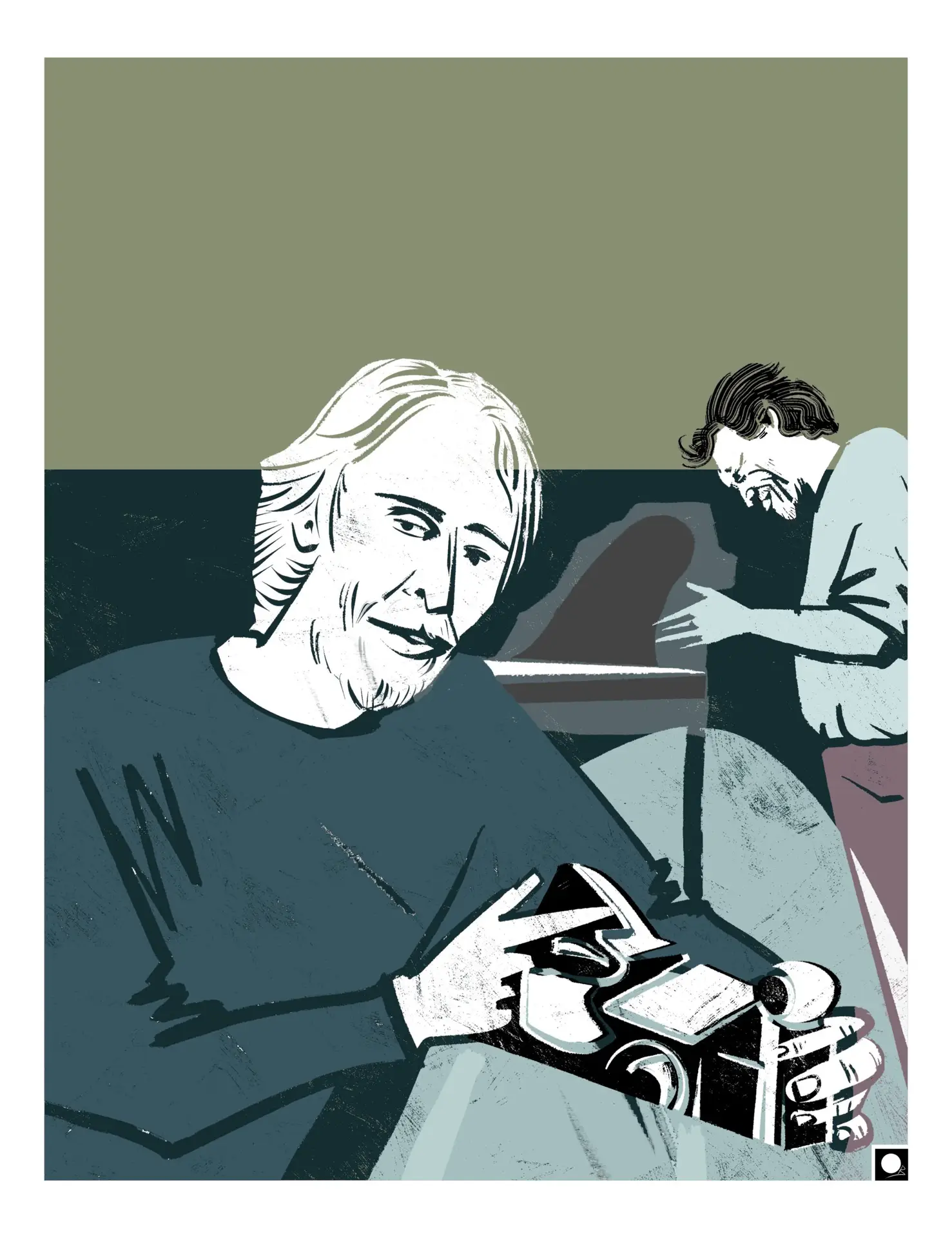
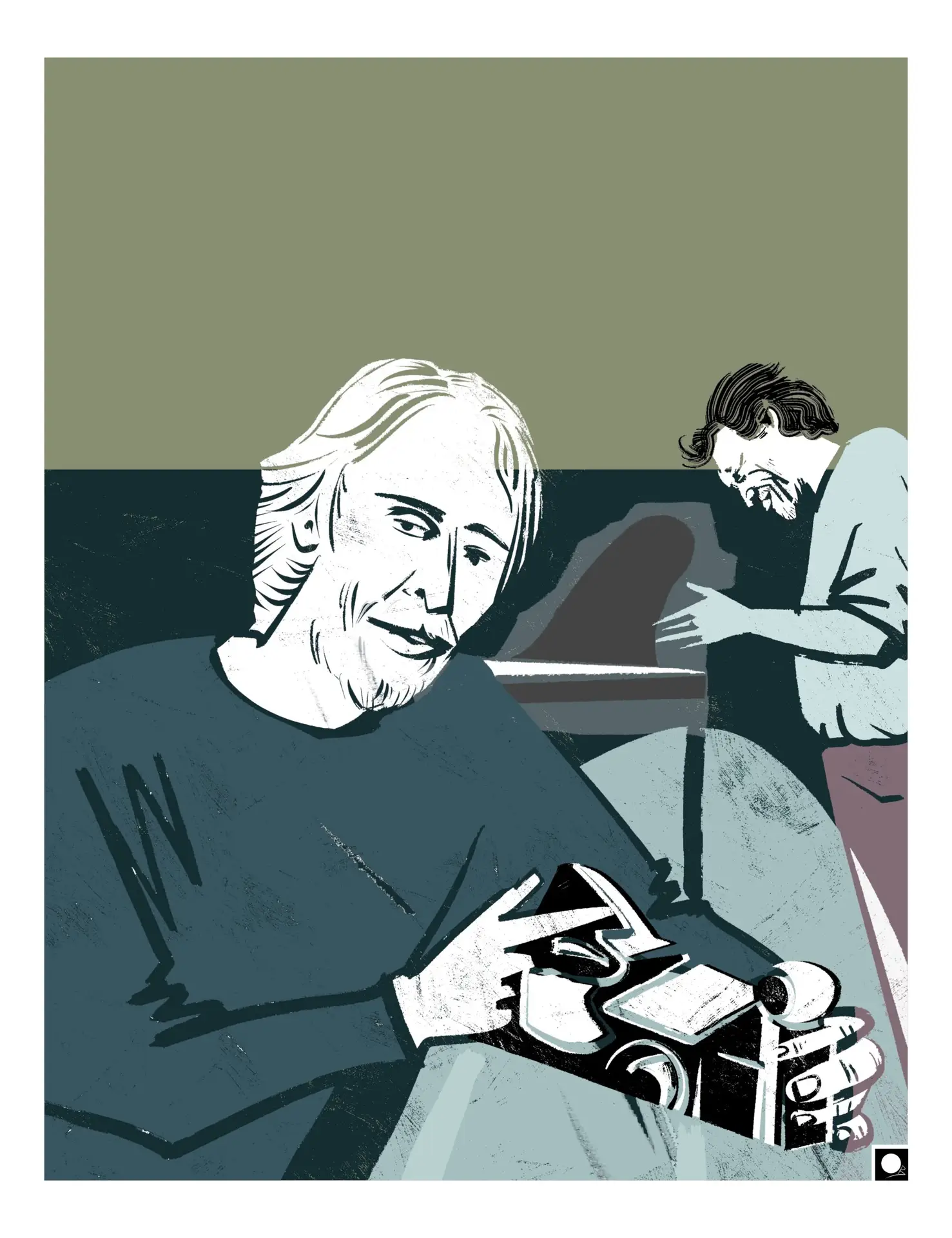
I was in a shaping bay with two legendary fixtures of the South Bay surfing scene: John Lessing and Keoni Boyd. The two men in their 50s or 60s were telling 17-year-old me stories of past El Niños, Ala Moana in the 1960s, household-name surfers using the South Bay as an incognito getaway, amputated thumbs cast in resin — true, though not often told, chronicles of the Beach Cities.
Lessing stood at the tail end of a surfboard blank he was shaping for me to use in an upcoming contest, his face in strained concentration, breaking only to laugh at one of Keoni’s often “inappropriate” jokes.
Lessing was the gentleman’s gentleman — perhaps the archetype for the “South Bay standard issue” uniform of somewhat unkempt hair, a worn flannel, Levi’s 501s, and Vans. One may have thought him a squeaky-clean bore upon first glance, and I think that’s what Lessing wanted. Yet when he told a story, you realized you were speaking with someone who had lived a plethora of lives before turning 30.
His boards reflected those years of experience. Whether a gun, a mid-length, an egg, or the rarer longboard, his shapes influenced not only the South Bay but all of California. The board I won most of my contests on was a Lessing.
On evenings he wasn’t at the shaping bay, Lessing would leave me letters written in Sharpie on yellow legal paper — several pages long, filled with incredible stories any surf rat would drop his jaw at. Each letter ended with small kernels of advice: “Say yes to new experiences,” “Put your education first, the waves will always be there.”
At 17, I found these cheesy. As an adult, I’m warmly reminded of how poignant and wise they were.
Keoni Boyd was a different story entirely. You always knew when he entered a room — like the Tasmanian Devil or Pigpen from Pigpen, a cloud of smoke and foam dust announced his arrival. A transplant from Hawai’i, though that term barely describes him.
While the “coconut connection” between Honolulu and Hermosa gave us Donald Takayama, Ben Aipa, David Nuuhiwa, and Mickey Miyata, Keoni is often overlooked in that lineage. He was Hermosa Beach as much as he was Honolulu — part Hawaiian Beach Boy, part South Bay Strand dweller.
“Uncle,” as I called him, told raunchy jokes, swore liberally, and teased me about my soft hands compared to his callused, weathered ones. Yet like Lessing, he offered sage wisdom. On the way back from chauffeured beer runs to the CVS on PCH, he’d lecture me about drinking, smoking, and “keeping my nose clean.” He didn’t want to see a South Bay kid follow the lifestyle he’d lived.
While Lessing made my boards, Keoni repaired them. On one of my first sessions on a new bright yellow Lessing gun, I stupidly — though I like to think bravely — pulled into an overhead closeout at Burnout. I entered the water with one board and exited with two.
Keoni and Lessing laughed it off, and within a week it was one piece again, the damage nearly invisible.
John Lessing and Keoni Boyd passed away earlier this year, mere weeks apart.
On that particular long-ago September night, the phone on the shaping bay wall started to ring. Keoni answered with a gravelly “Hellllll-o” that was almost his trademark. Lessing took advantage of the distraction to make close adjustments to the rail of my board.
“Yes ma’am… uh huh… ok.” Then a laugh.
Keoni hung up and turned to me.
“Hey kid, go home. Your mom says dinner is ready.”