Of all the corners of the globe where the spirit of the 60s sprouted like a wildflower superbloom, it was in Brazil, against the desert backdrop of military dictatorship and political brutality, that one of the most vibrant and culturally rich musical genres was born from a revolutionary art movement known as Tropicália.
Traditional Brazilian sounds, informed by classic Brazilian instruments and Brazilian Portuguese, blended with Western pop, rock, psychedelia, and the avant-garde. Often with a wild, at times maniacal, air of revolt that spoke to vehement rejection of inhumanity, propped up by eccentric and celebratory intellectualism, shouldered by unwavering hopeful determination (even in the face of exile for some), entwined with deep sadness and fiery longing for freedom and country, met by bereaved longing for freedom and country. And, of course, fuzz guitars galore. Ultimately, it’s somehow one of the most unhindered and unique nooks to unfurl from the era. And it’s totally bitchin’.
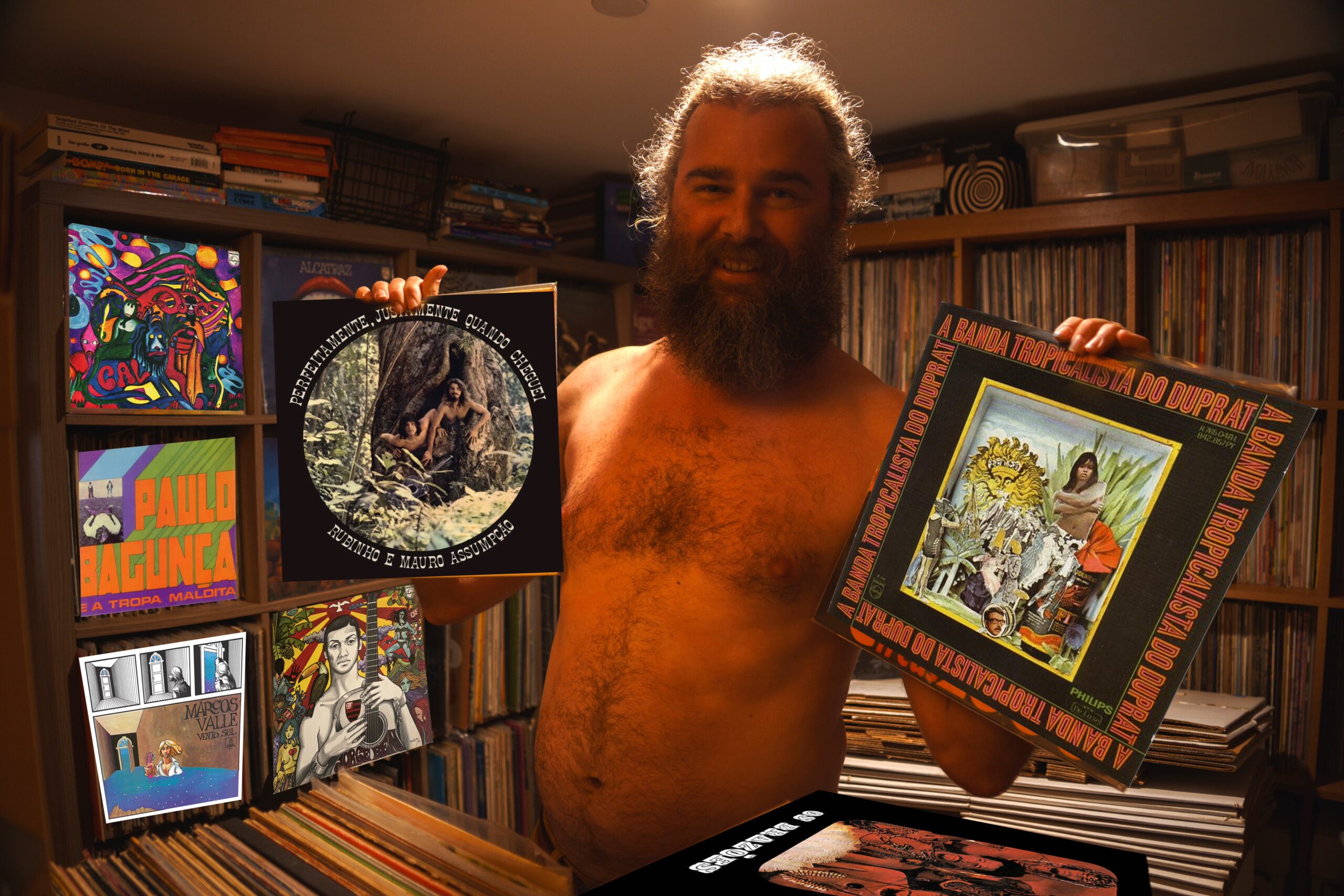
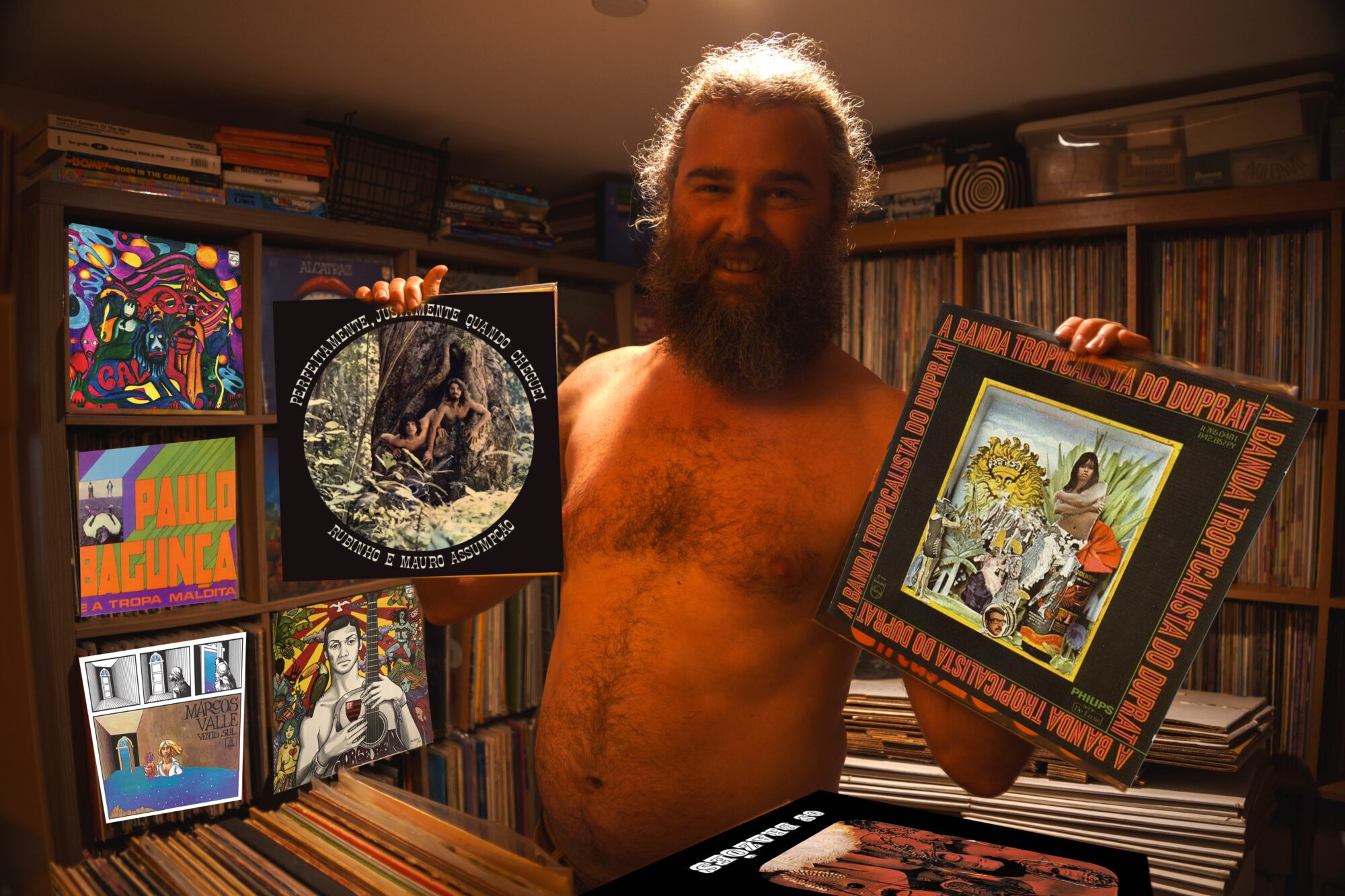
The following is an excerpted representation of a pretty healthy introduction to the Brazilian Tropicálismos, alongside contemporaneous Brazilian psychedelics and some post-Tropicáliasts as well. For your listening pleasure and aural edification, the full 17-track set can be listened to in the Springtime Brazilian Psycho Banana Breeze YouTube Playlist found at: YouTube.com/@DirtyHippieRadio/playlists.
1. Caetano Veloso, “Alfômega,” 1969.
One of the core figures and founders of the Tropicália movement. Taken from the album recorded while he and Gilberto Gil were imprisoned as subversives by the military dictatorship determined to suppress the cultural influence of the Tropicália movement. Veloso and Gil were subsequently exiled to London, where they both produced records in English released during 1971.
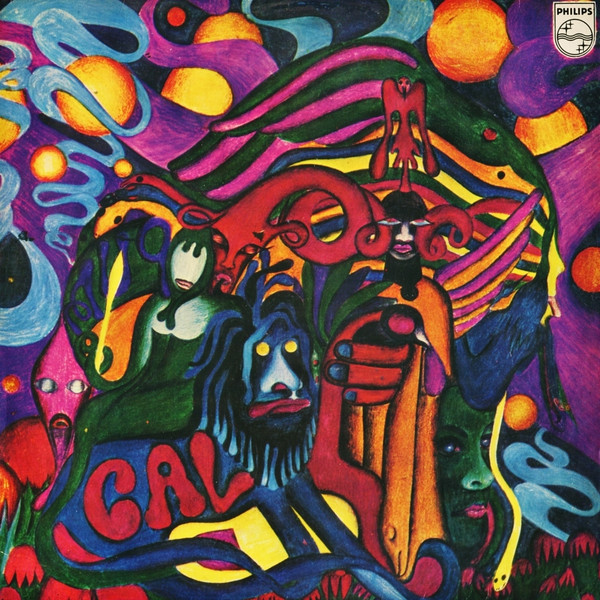
2. Gilberto Gil, “The Three Mushrooms,” 1971.
One of the core figures and founders of the Tropicália movement. Following his arrest and imprisonment in 1968, Gil was exiled to London from 1969-1972. During that period he recorded an album in English, from which this track was taken. The same record also bears a stunning cover of Blind Faith’s “I Can’t Find My Way Home,” penned by Steve Winwood for their sole LP in 1969.
3. Gal Costa, “Tuareg,” 1969.
One of the core female figures and founders of the Tropicália movement, Gal is also considered one of Brazil’s greatest singers, and was ranked at number 90 by Rolling Stone magazine’s list of the 200 Greatest Singers of All Time. A major mega-babe of the era, she stood just as tall as the boys, and probably had many of them on their knees.
4. Os Mutantes, “Ando Meio Desligado,” 1970.
The ultimate core band (and founders) of the Tropicália movement, consisted of Rita Lee, Arnaldo Baptista, and Sérgio Dias. Beck has recognized them as a major influence and named his 1998 album Mutations after them. To this day, Sérgio Dias keeps the band name alive, who have made Los Angeles area appearances, and even recently performed the renowned Pappy & Harriet’s in Pioneer Town out near Joshua Tree.
5. Tom Zé, “Quero Sambar Meu Bem,” 1968.
One of the zaniest and grooviest cuts from one of the core figures and founders of the Tropicália movement. Even though his subsequent albums were highly creative and beautifully well done, Tom Zé faded into obscurity until David Byrne of Talking Heads discovered Zé’s 1975 record Estudando o Samba, which prompted him to reissue some of Zé’s work, while also pressing new Zé albums on his Luaka Bop label in the 1990s.
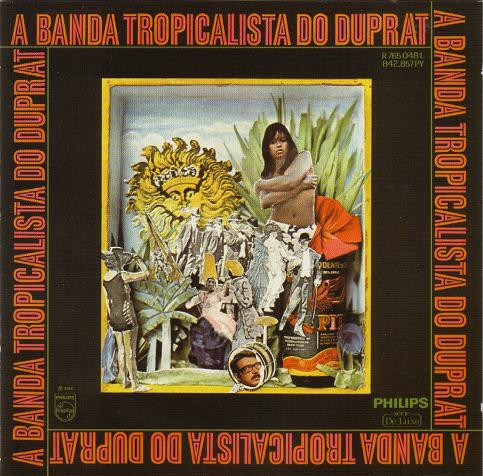
6. Rogerio Duprat, “Flying,” 1968.
One of the godfather figures of the Tropicália movement, even if he was more behind the scenes. Duprat was a composer, arranger, conductor, musician, and producer. He was known as the “George Martin of Tropicália,” and the “Brian Wilson of Brazil.” He wrote loads of arrangements for albums by Caetano Veloso, Gilberto Gil, Gal Costa, Os Mutantes, Tom Zé, Nara Leao, Chico Buarque, Alceu & Geraldo Azevedo, and for the 1968 Tropicália manifesto album Tropicália Ou Panis Et Circencis. This is his cover of The Beatles’ “Flying.”
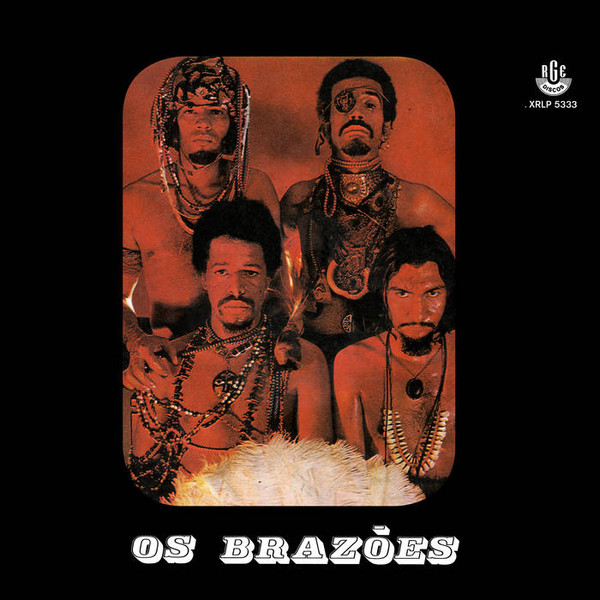
7. Os Brazoes, “Tao Longe De Mim,” 1969.
Taken from their wonderful sole LP, they were also known as the backing band for Gal Costa and Tom Zé projects.
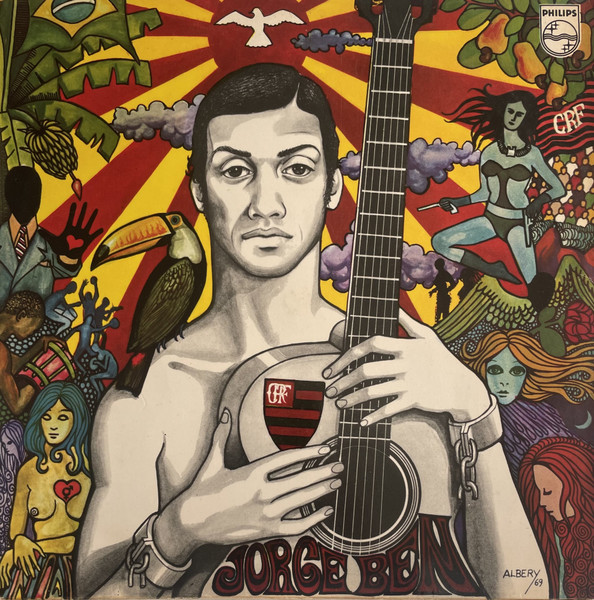
8. Jorge Ben, “Bebete, Vãobora,” 1969.
A revolutionary force and voice in the sound of Brazilian music, Jorge Ben released his debut LP in 1963, but also left his mark on the Tropicália period. In 1975, he and Gilberto Gil collaborated on a gorgeous, stripped down, mostly improvisational acoustic jam session record titled Gil e Jorge, also released as Ogum Xangô.
For FM radio sets like this, tune in to Strange Roots Radio on 89.5FM Roots Radio WMOT Nashville, where the Dirty Hippie appears as the leftcoast correspondent subject matter expert in all areas of the 1960s-70s musical spectrum. Hosted by the Nashville-Mexico dually-based band Cordovas (who have also planted L.A. and South Bay roots), the program broadcasts from a college campus in Tennessee on Sundays, but listeners can tune in to the live feed from 8–10 p.m. PT at WMOT.org.