
A MYTHIC MUSIC HALL RESURFACES
Words By
GAVIN HEANEY
Photos By
JESSIE LEE CEDERBLOM
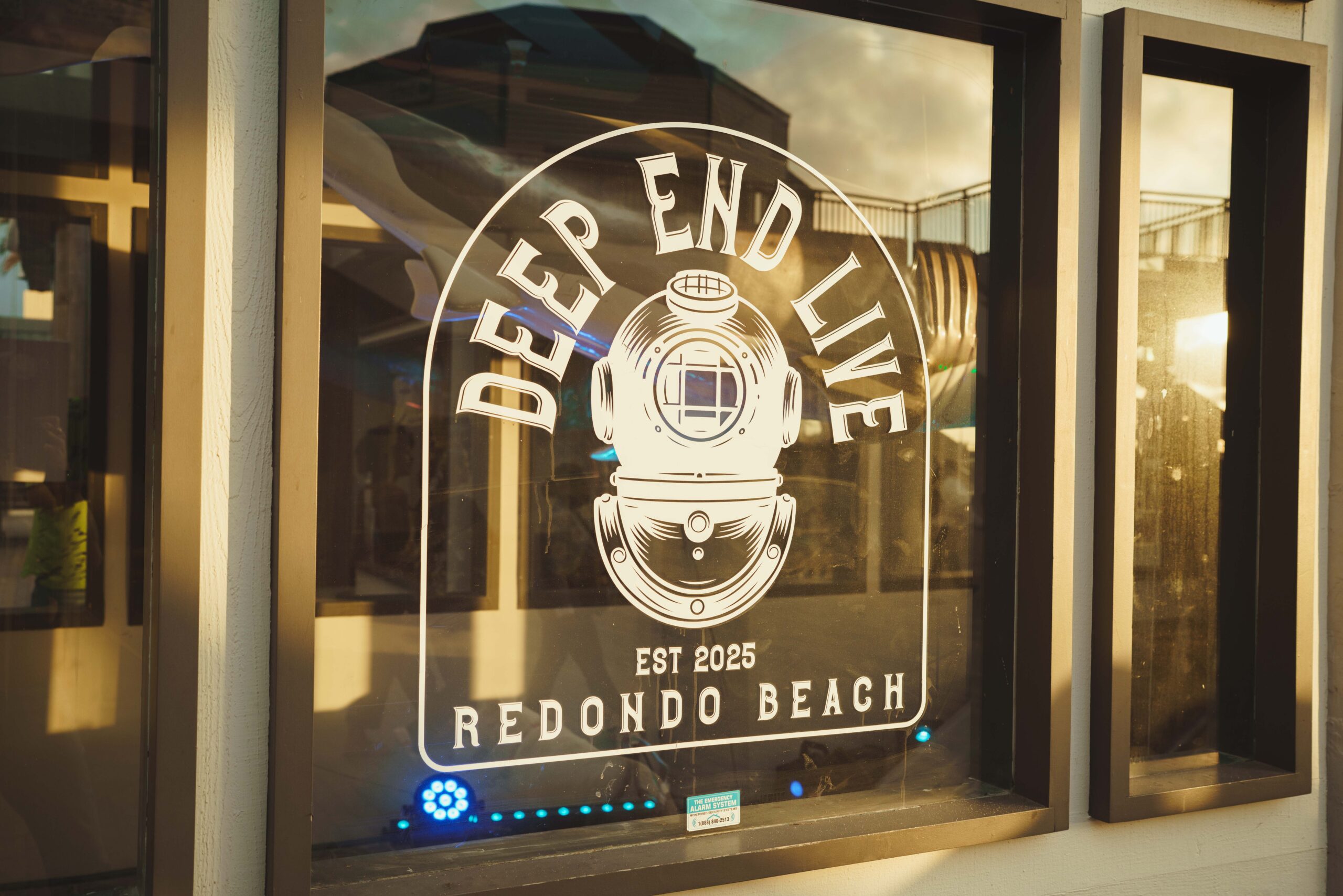
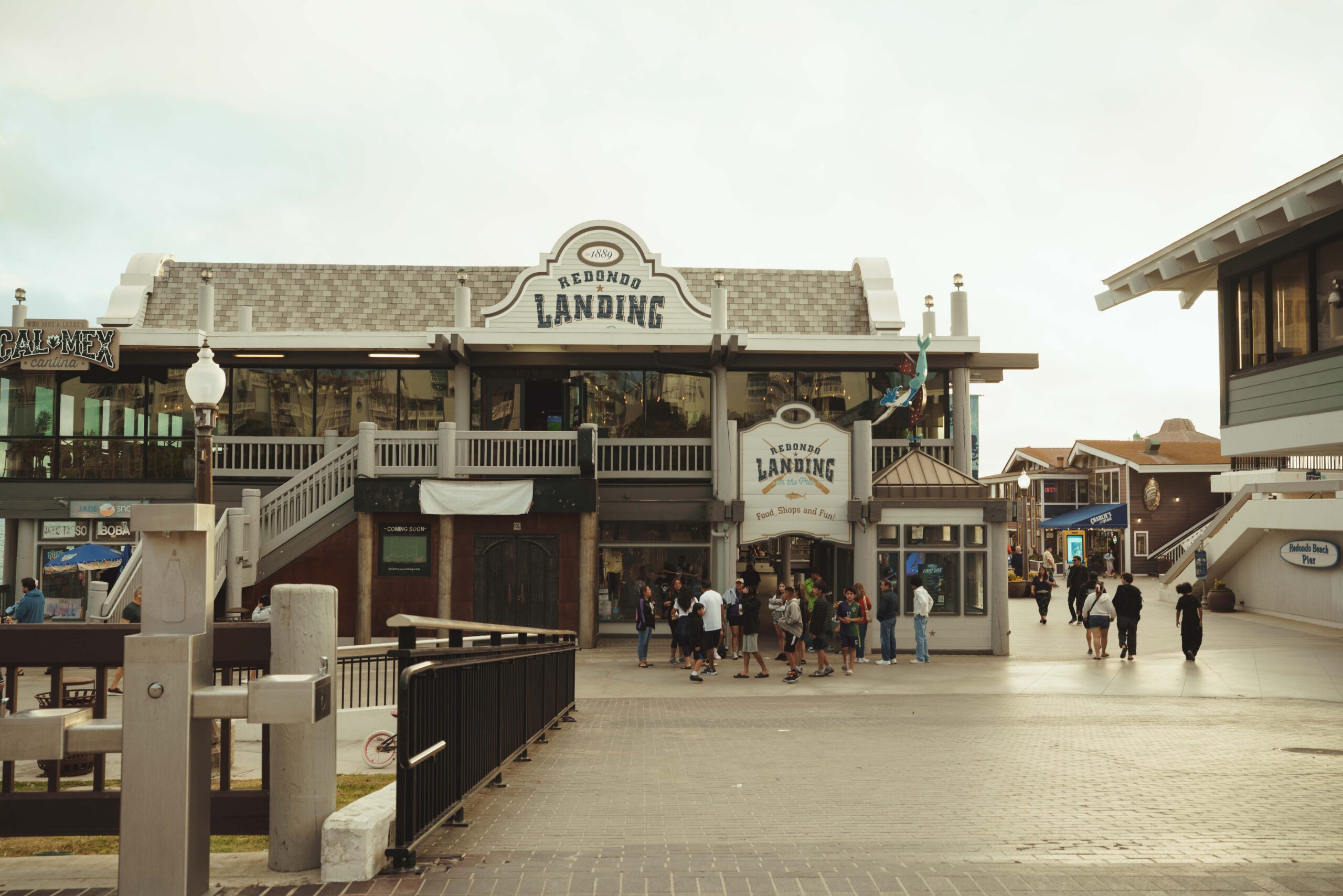
Underneath the Redondo Pier, there is buried treasure. A forgotten music hall that has lain shuttered like One-Eyed Willie’s fantastic pirate ship in “The Goonies,” hidden all this time in plain sight. The club names and the performers on the marquee have turned with the tides for nearly 60 years, but one thing has remained constant at this lost paradise under the pier — the storied stairwell that leads down to a musical underground. Now, after twelve years of silence, strange new lights and sounds are emerging from down below. The stairway has reopened and now steps into The Deep End Live, the South Bay’s newest music venue and the latest chapter in this legend. And new tales are already being told.
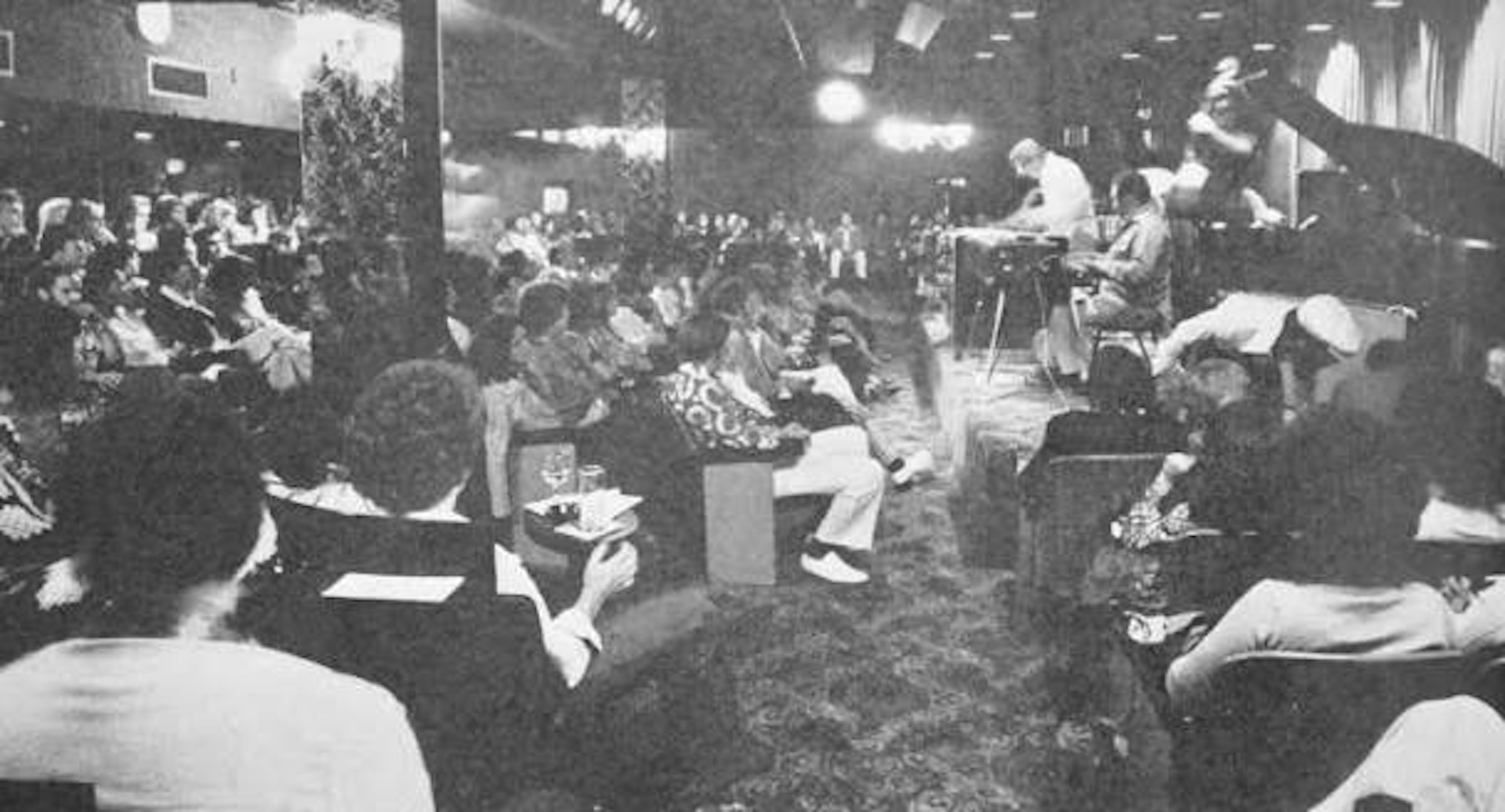
Over 50 years ago, those stairs led to jazz legacy. In 1971, legendary bassist Howard Rumsey christened it Concerts by the Sea, carrying his vision of jazz at the beach down from the Lighthouse in Hermosa Beach, where he had spent two decades helping build the West Coast Jazz sound. He seated 200 people in a tiered room beneath the pier and proceeded to fill it with the greatest jazz and blues around — B.B. King, Sarah Vaughan, Freddie Hubbard, Gil Scott-Heron, George Benson, Rahsaan Roland Kirk, a young Poncho Sanchez sitting in with Cal Tjader one night and launching a Grammy-winning career before the set was over. The historic El Niño of 1988 ripped apart the Redondo Pier and ended Rumsey’s run, but the stairs still stood.
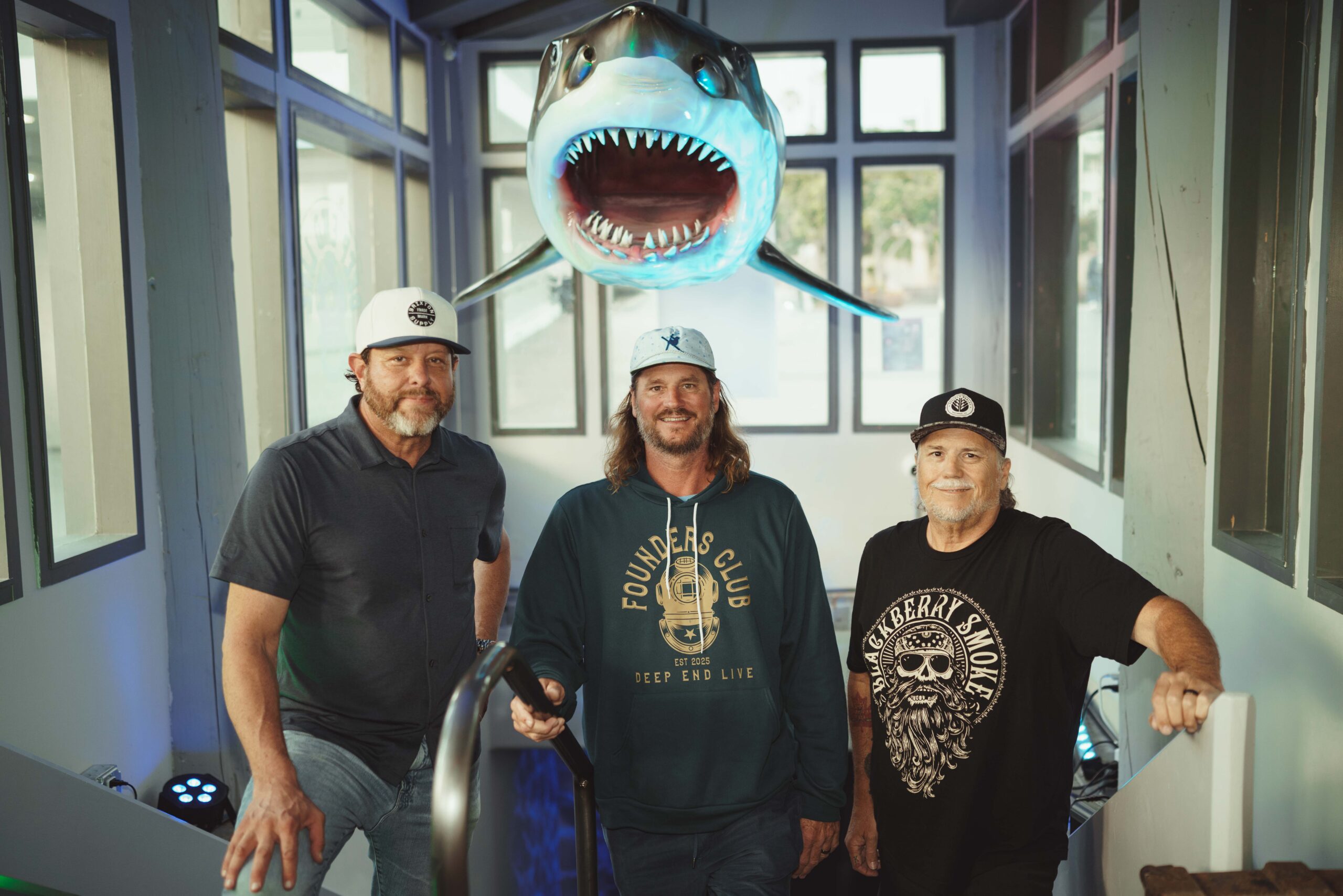
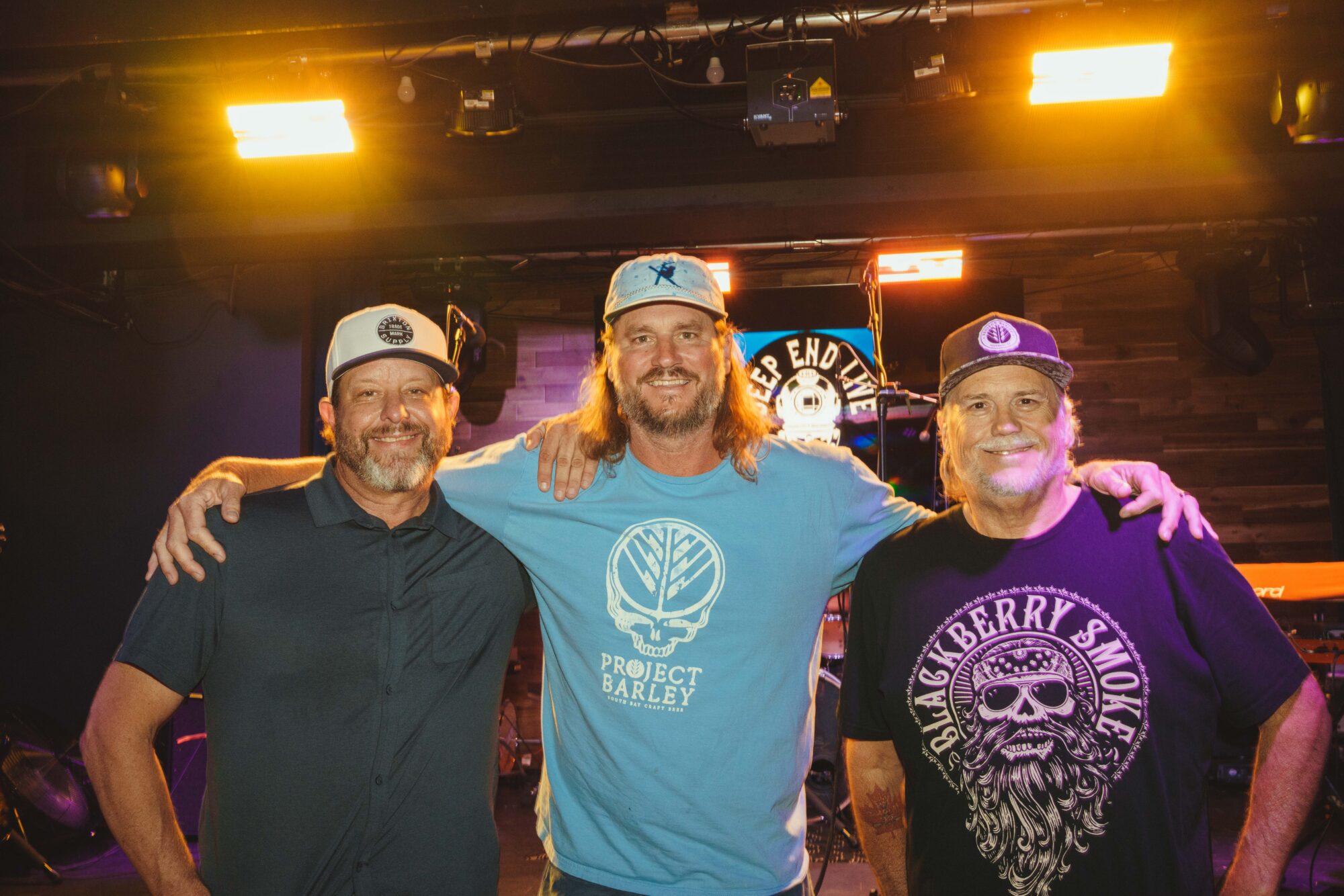
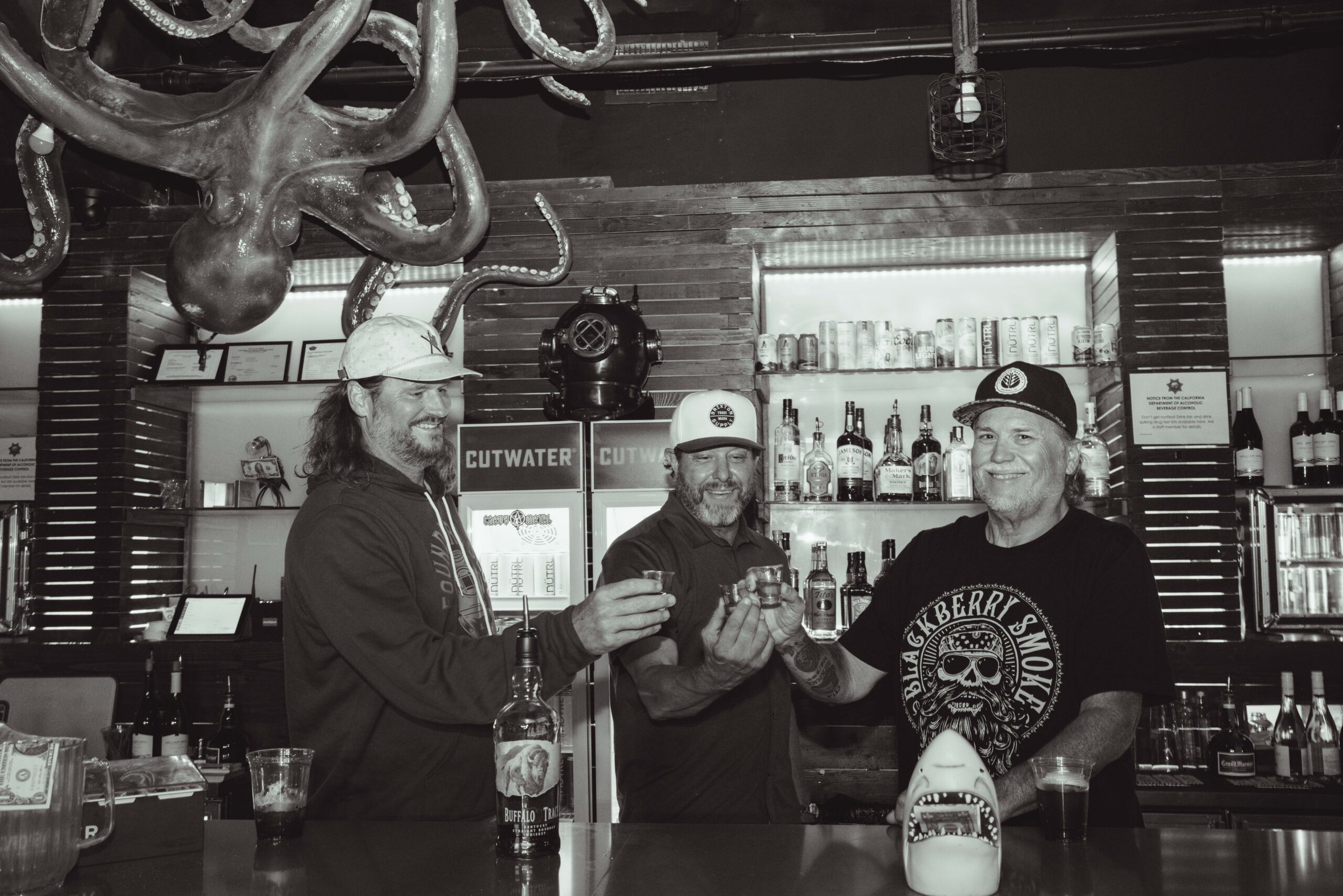
Deep End Live founders Daryl Swensson, Brenton Reger, and Joe Smith
In the late ’80s, they fell down to Fashions, an all-ages dance club. Julian Douglas, aka “Mr. 80’s,” recalls those hair days in his blog Listen, Journey, Savor: “The South Bay was home to many emerging metal bands and Fashions always seemed to have them playing the club or hanging out. There wasn’t a week you didn’t see the likes of members from Mötley Crüe, Ratt, Dokken, Great White, and Silent Rage.” The new wave crowd followed, with KROQ’s Richard Blade spinning the soundtrack of a generation that dressed for the night like it was a casting cattle call. Then came Humphrey’s Underground through the ’90s and into the 2000s, absorbing a decade’s worth of musical fracture with grunge rock versus hip-hop fighting for the same floor, bass shaking the walls while the Pacific patiently undermined them from outside.
By 2002 the space had reinvented itself again as Club Curves, a plus-size dance club that threw open those stairs to a much larger and more diverse crowd. Harvelle’s followed around 2007, a brief blue note before it became The BriXton — and the room finally found the X that marked the spot.
In 2008, BriXton opened: a renovated speakeasy-style room with a long bar spanning the length of the club, red leather VIP booths set against a brick wall, and a connected smaller stage called The Dive for more intimate sets. The pier had been rebuilt, the neighborhood was shifting, and BriXton planted its flag at the bottom of those famous stairs and the South Bay saluted. The club held about 450 people and on many nights ran two separate shows simultaneously — the main room and The Dive operating in tandem, letting the crowd drift back and forth between whatever was happening on either side of the wall.
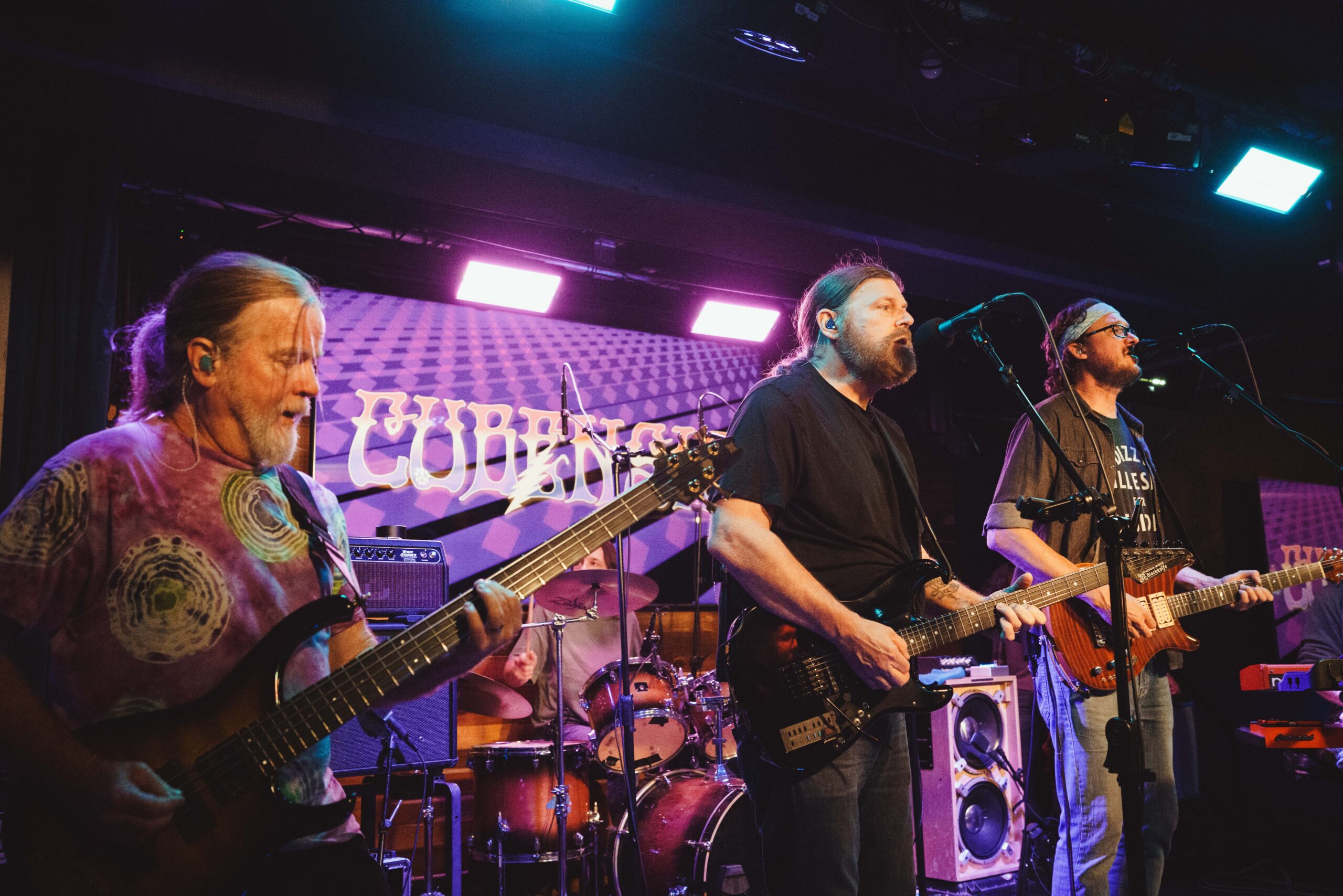
That was the beauty of it. You never quite knew which room was going to be on that night, and you never knew who might walk through the door. ’80s hair metal holdovers like Dokken, Skid Row, Warrant, L.A. Guns and Winger alongside new wave old guards The English Beat, Berlin, Wang Chung, Missing Persons, Bow Wow Wow, A Flock of Seagulls and Men at Work all came down the stairs. SoCal punk pioneers Circle Jerks, NOFX and Hermosa’s own Pennywise brought the local flavor to the stage. And then there were the nights that passed into legend so quietly that half the people who were there still aren’t sure they believe it. Leon Russell arrived with Cameron Crowe in tow. Iconic surf guitarist Dick Dale flooded the room with reverb. Prince sat in with Sheila E. “He comes in the side door, sits down and jams for 20 minutes, gets up, walks back out the door and I swear to God disappeared into the night,” recalled Adam Spriggs, BriXton’s booker who started at the Galaxy Theater and the Coach House and has since booked KAABOO and the first BeachLife festival. But the seascape sadly changed. The economy, rising costs, and competition in other places beached the mighty BriXton. The room went dark in January 2013 and the stairwell fell silent for 12 years. The music moved on and the galley became a ghost ship, recalled only in the tall tales of townsfolk and lost to legend.
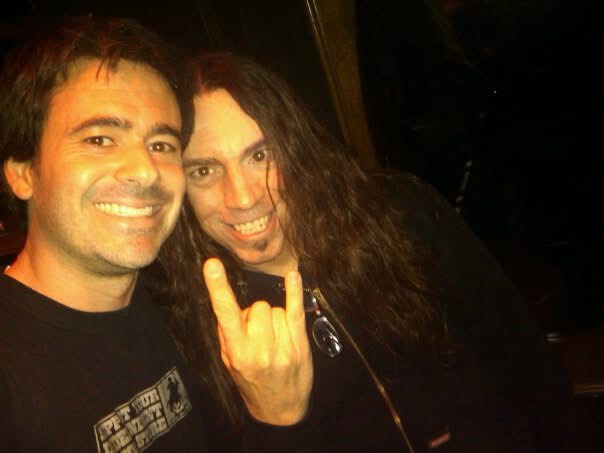
Booker Adam Spriggs with Skid Row’s Scotti Hill during BriXton’s heyday.
But now, this lost city of Atlantis, silently scuttled for over a decade, has resurfaced as Deep End Live. The resurrected concert hall is the flagship of a seasoned crew of restaurant, brewery and entertainment experts.
Brenton Reger is ever-present at the club, like an old sailor who’s seen every kind of storm and knows which way the wind blows – his able hands, that built Project Barley and brewed its beer, built the stage and bar at Deep End, furthering his passion for live music and craft beer. The club arrives at a moment when the music needs it most. Saint Rocke, which served as a genuine anchor of the South Bay scene for years, has closed and Hermosa Beach, once a crucible for original music, finds itself increasingly populated by secondhand cover bands. “We’re trying hard to keep it fresh, original and true to our own taste in music,” Reger said.
He and Project Barley partner Joe Smith, both musicians, share a concerted conviction that live music is the cornerstone of a community. Smith was a Roadhouse rocker before he spent 35 years as a corporate executive in food services, and his twin disciplines of music and business keep the boat afloat.
“We didn’t do this to come in and duplicate what came before,” Smith said. “We want to bring in more original music, national and bigger name acts. We know the South Bay deserves it. We know the community still wants cover bands, but not all the time.” His vision for the calendar runs deliberately wide — folk singers to rock bands, punk shows to jazz to DJ nights. “If the community is going to support those different types of things, we want to continue to push that,” he said. “I think they’re ready for it.”
The room’s submersed identity comes from Daryl Swensson, whose path to the pier ran through Southern California’s rave scene, Grateful Dead lots, and decades of producing events under his company Presence Productions. His vision is on every inch of the place — the Meyer Sound audio system, the $70,000 worth of concert lighting and lasers, the Mark V diving helmets, the nautical artifacts, the twelve-foot shark that greets you at the entrance like a bouncer who’s been here since before you were born. Swensson first walked into this room as a teenager at Fashions and left one evening, looked back at the doors, and made himself a promise.
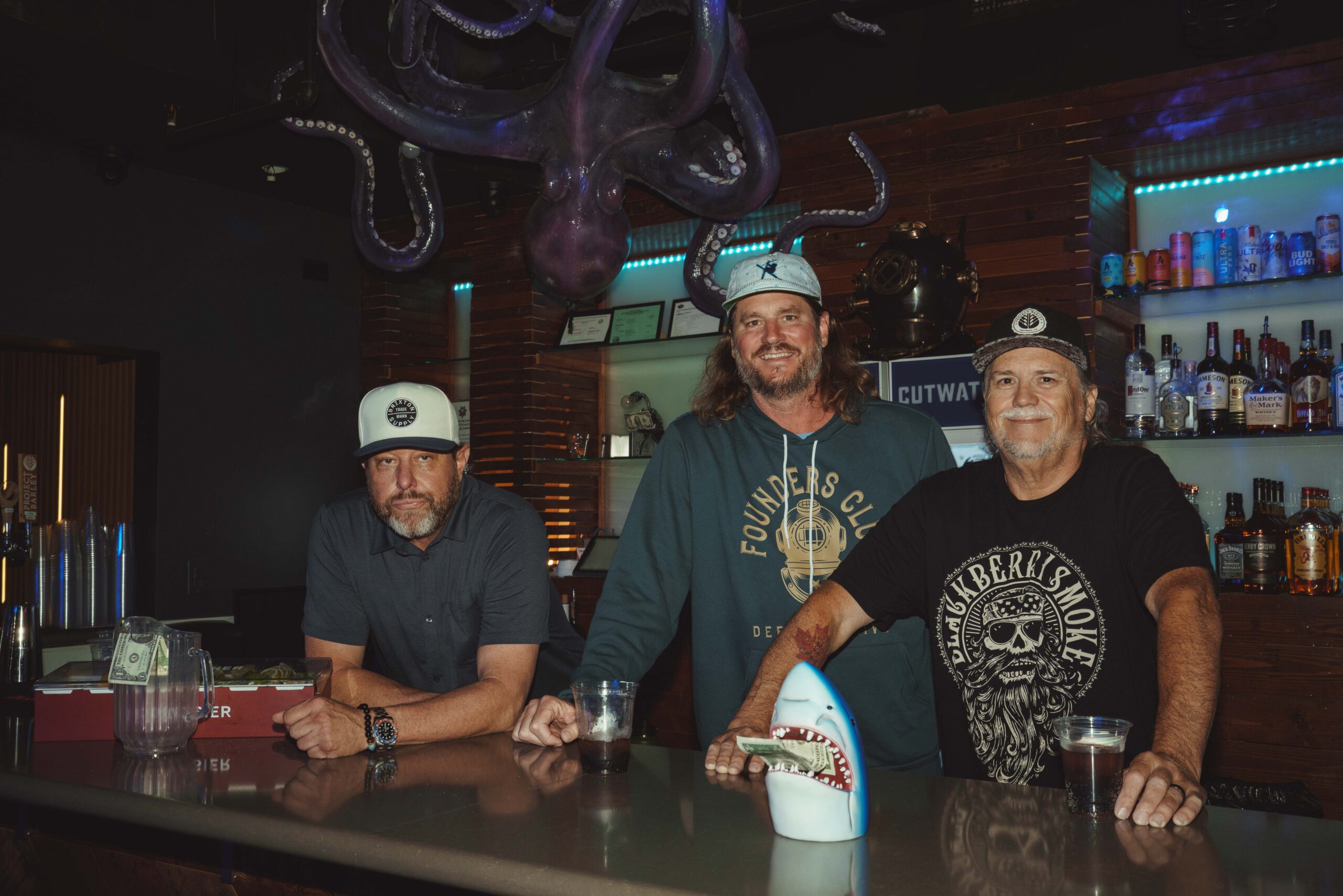
“Deep End Live is the realization of a lifelong dream,” he said, “to create a place where exceptional music, immersive production, and community come together in a way that leaves a lasting impression on every guest who walks through the door.” It took 40 years to manifest. Now he and his mates man the mainsails.
Adam Spriggs joins the Deep End partners to book the bands, returning to the room like Jack Sparrow rightfully restored to the Black Pearl. He has tended the South Bay music scene since BriXton like a lighthouse keeper, leading its imperiled culture back to harbor.
“The South Bay still has these punk rock, rock and roll roots that kind of got paved over with McMansions,” he said, “but I feel like this room can still keep them alive.”
Spriggs remembers what it felt like to be a kid calling a radio station asking if Rancid was coming to town, and he won’t stop believing in that feeling of wanting to take part in the music he loved and of sharing the collective heartbeat of a live music scene.
“I believe in the power of rock and roll,” he said. “I believe it can save your soul.”
The ghost ship lost at sea is now anchored at Deep End Live by the festivarian fellowship that Project Barley has cultivated — a like-minded community that believes music should not merely be observed but experienced. Music alone is too on-demand, too accessible, and anonymous, streaming on smartphones and isolated on headphones. Anyone, anywhere, anytime, without the slightest participation, can hop on any bandwagon by barely lifting a finger. The exclusivity of the live show is what creates a music scene, and what births vibrant cultural tribes like punkers or the Deadheads. That shared, real-life experience is the heartbeat of music culture. The stairway to heaven actually leads down. You have to descend to transcend, as Dante discovered. You must make the pilgrimage in person and face the music, because you cannot stream your way into the live music scene. You cannot algorithm your way into the experience. You must descend downstairs to discover this treasure, just like the souls who went before you.
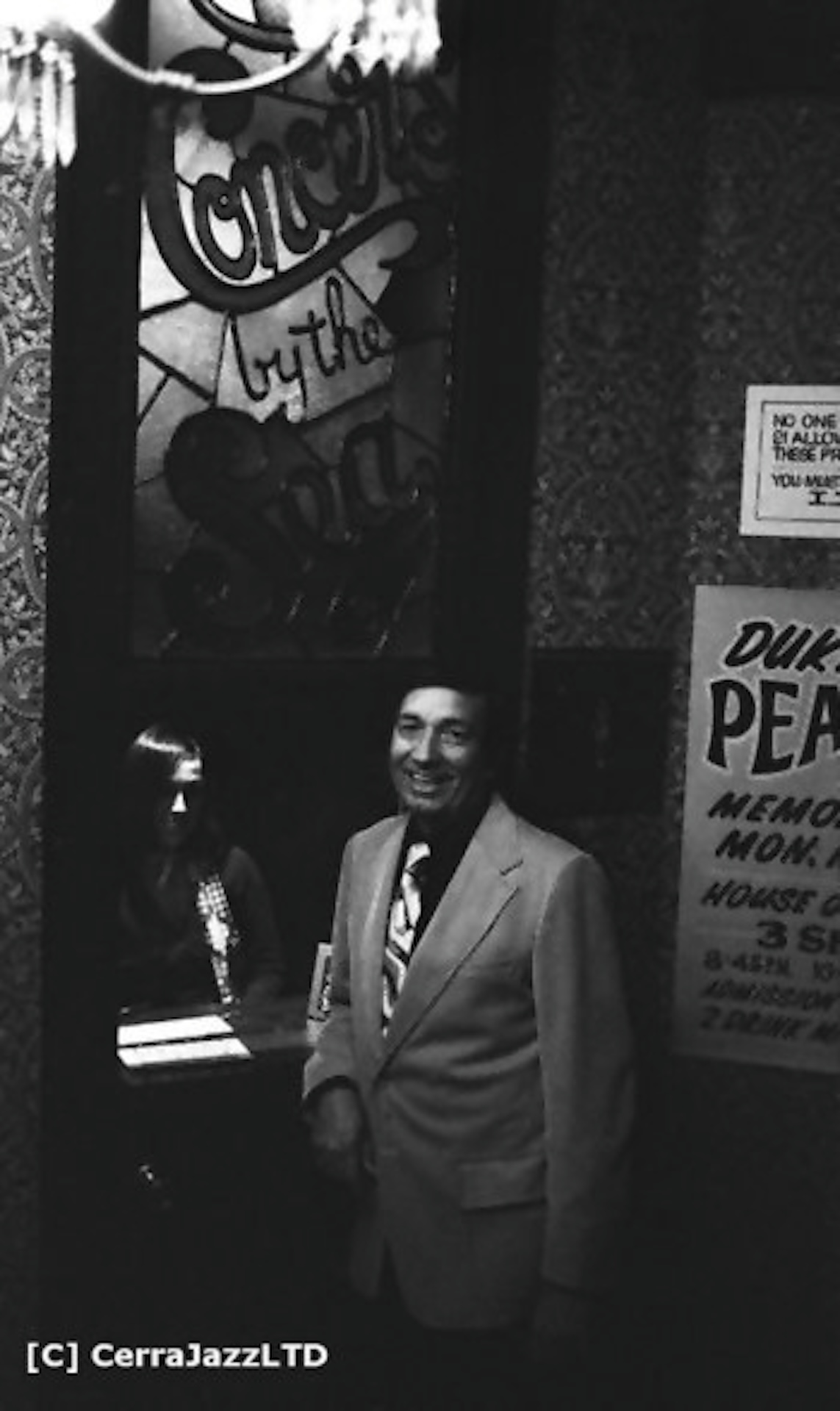
at Concerts by the Sea